Colli Etruschi
Certifications
Bio
The organic farming certification is issued to companies only if a series of rules established in Italy by the Ministry of Agricultural, Food and Forestry Policies are respected at each stage of the production process of a specific product. Organic production is a management system of farm that provides for the interaction between cultivation with the sole use of natural substances excluding the use of chemical synthesis substances, the best environmental practices, a high level of biodiversity, the protection of natural resources. Organic farming means developing a production model that avoids excessive exploitation of the natural resources of the soil, water and air, using instead these resources within a development model that can last over time.
The organic logo and the labeling system have the task of assuring the consumer that the product they are buying has been obtained following in all details the European Regulation on organic farming and national legislation. of Community legislation.

DOP

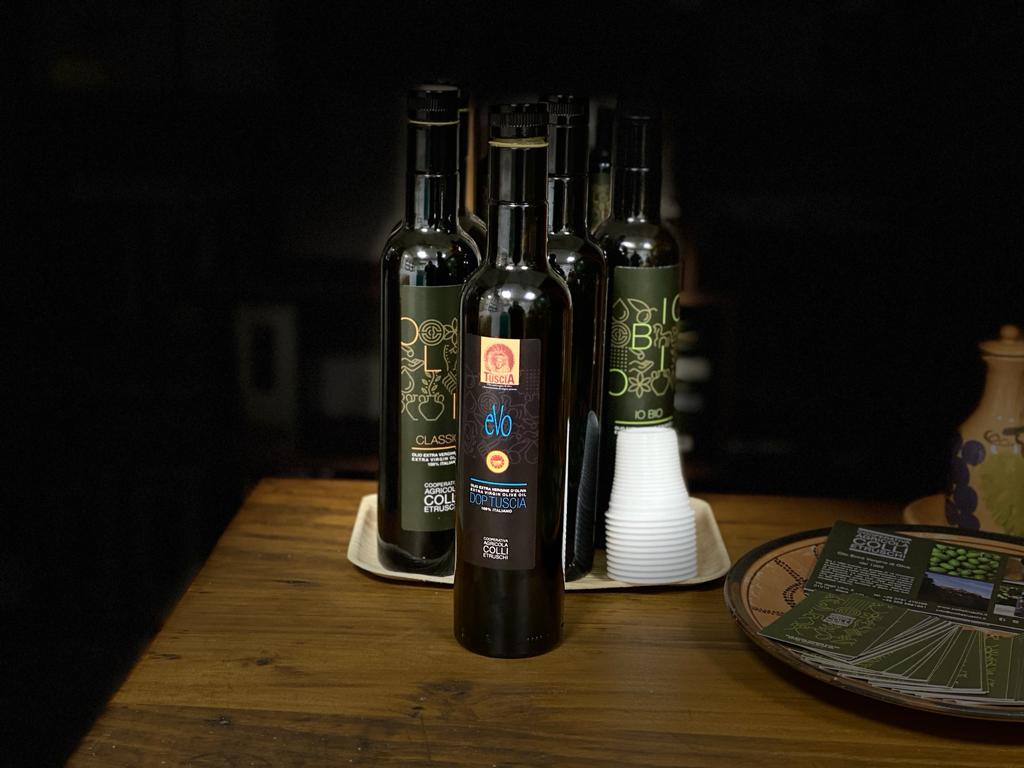
Protected Designation of Origin what does it mean?
PDO or Protected Designation of Origin is a legal protection mark issued by the European Community. We find the meaning of the acronym DOP in Regulation (EU) No. 1151/2012 (article 5):
"the PDO (Protected Designation of Origin) brand identifies a product originating in a place, region or country, whose quality or characteristics are essentially or exclusively due to a particular geographical environment and its intrinsic factors natural and human and whose production stages take place in the defined geographical area"
Only productions that demonstrate a consolidated production tradition, an indissoluble link with the territory of origin and that reach high quality standards can aspire to obtain and maintain the coveted Community recognition and registration in the European register of PDO products.
The strict production rules are established by the production disciplinary, compliance with these rules is guaranteed by a specific control body.
The DOP mark favors the local economy; protects the environment, because the link with the territory of origin requires the protection of ecosystems and biodiversity; it supports the social cohesion of the entire community and is a guarantee for consumers with a higher and more controlled level of traceability and food safety compared to other products.
The Tuscia PDO
PDO registered Reg. (CE) n. 1623/05 of the Commission of 4 October 2005
The DOP Tuscia extra virgin olive oil is obtained from the Frantoio, Caninese and Leccino varieties of olives present for at least the 90% alone or jointly, in the individual olive groves. The presence in the olive groves, in a maximum percentage of 10%, of other varieties is permitted. The production area coincides with some municipalities in the province of Viterbo.
NATURAL CHARACTERISTICS OF THE CULTIVATION ENVIRONMENT
From a geomorphological point of view, the area has different altitudes. The volcanic origin of the land generates a predominance of pyroclastites over the entire area, thus making the resulting soil highly fertile. The granulometric composition, the water retention capacity, the mineral reserves and the reaction, together with the pedogenetic factors (climate, exposure, altitude, etc.) confirm the cultivation vocation of the olive tree.
The temperate climate with annual rainfall of around 900 mm distributed mainly in the spring-autumn period with the exception of the Colli Cimini area characterized by significant temperature ranges and higher rainfall.
In the area, the olive tree is one of the most widespread crops, with specialized plants having 150-300 plants per hectare, intensive plants with over 300 plants per hectare and mixed plants with up to 100 plants per hectare.
In specialized and intensive olive groves, the forms of cultivation can be the bushy vase, the Y form, the monocone, the reverse cone and any other form adaptable to the olive tree. For the olive groves
promiscuous, the most common forms of cultivation are the polyconic vase and the free vase.
Pruning practices are generally performed on an annual basis, while renewal pruning is performed at longer intervals.
The fertilization of the land is mineral and organic; annual contributions of fertilizers are recommended which do not exceed the removals net of losses and ensure the maintenance of soil fertility and the stability of the ecosystem connected to it.
The phytosanitary defense is carried out in compliance with the balance of the ecosystem, avoiding useless and harmful interventions to the useful entomofauna and therefore following the indications of the guided and integrated pest management services operating in the area. Ground treatments with herbicides and desiccants are prohibited.
Further agronomic practices must be carried out in a rational manner and such as to safeguard the quality of the product.
Quality certification
Global Standard for Food Safety CSQA certification
CSQA product certification
Traceability of the oil from the olive cultivation phase to the shipment of the finished product (transport phase excluded)